




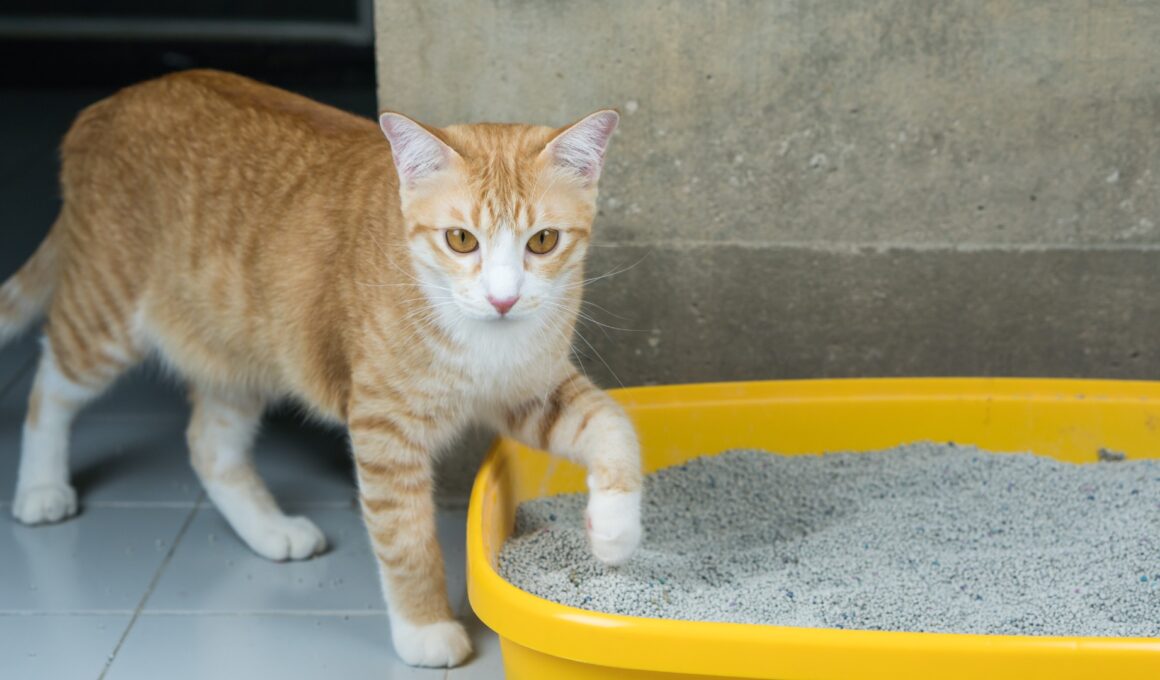
Most cat owners do not realize that cat litter can kill their pets. After all, not all litters are made the same. Some litters are toxic in nature and can make way for life threatening diseases into your pet’s life. Certain type of cat litters can also cause silicosis. Silicosis is a lung disease caused due to inhalation of silica dust. Silica dust causes lung inflammation. As a result, scar tissue develops on the cat’s lungs. Subsequently, the pet might experience great difficulty while breathing.
How do cats come in contact with lung disease?
The real problem occurs when the pet lick its paws and ingests some of the leftover litter particles. Some cats even eat litter. The fact that litter can absorb great amount of liquid weight, the fluid present in the pet’s intestine can easily get absorbed. This can pose great health risk over a period of time. Health issues ranging from dehydration, improper digestion and bowel issues can make way into the cat’s life.
Breathing dust from some brands can also pose health risks. The dust present in bentonite is nothing but silica. Silica is a substance that is found to be detrimental for cat’s lungs. In fact, intake of silica is also blamed for lung issues amongst human beings. The fact that silica affects our pet’s lungs shouldn’t come as a surprise. The most unfortunate part over here is that there is no cure for silicosis.
What do experts say?
Experts reckon that cats do not get affected by silicosis because of clumping litter itself. The fact that most cats start licking their paws after making use of the litter box can make way for silicosis in their life. However, clumping litter can heighten some health issues in your pet such as asthma or any other chronic breathing issue. Your best bet would be to make use of dust-free litter to avoid any of these health complications in your pet’s life.
Cat owners are recommended litters that are dust-free and environmentally safe to use. Remember, it should be safe for the pets as well as the pet owners. More than often, cat owners inhale the air around the pet’s litter box. This can result into problem in the cat’s owner’s life as well. As mentioned earlier, breathing dust from some brands can be risky for one’s health.
What alternatives do cat owners have?
Fortunately, there are good numbers of alternatives available out there. Although most brands contribute very little to keep bad odor at bay, they do keep lethal diseases at bay. One of the things that you can use over here is torn newspaper. Apart from the obvious advantages of using newspaper, you are bestowed with two other advantages. Firstly, newspapers are completely biodegradable and they are readily available.
You can consider sprinkling little amount of baking soda at the bottom of the litter pain before spreading the torn newspaper to curb bad odor. Other alternatives that can be used over here are ground corn cobs because they are natural and they lead to less dust formation. Also, they carry no odor and can be flushed easily.
What about pine litter? I like to use that because it eliminates the odor. Does that produce dust?
My beautiful 14-year-old indoor cat had lung cancer diagnosed at the very end. He was so healthy for all those years. We have never smoked anything, so the cancer wasn’t from that but my take is that it was from the dust produced by inexpensive cat litter which I had used all along. Not a soul ever mentioned dusty cat litter could be toxic, if they had my precious boy would still be here. Just an FYI.