




For centuries we have seen casualties of war; soldiers who have had various physical injuries and scars that last a lifetime. Yet until the 20th century little was known about the emotional effects of war on soldiers and it wasn’t until soldiers were studied psychologically that we began to understand what had happened to them.
You may have heard of psychological disorders associated with war, such as shell shock or ‘Combat Stress Reaction’ as it is otherwise known. Post Traumatic Stress Disorder or PTSD is a diagnosis made by doctors on a regular basis for patients who have suffered major traumas such as rape or a car accident. It was due to soldiers of the Vietnam war that the disorder was discovered, yet their symptoms had been synonymous with war veterans from hundreds of years before.
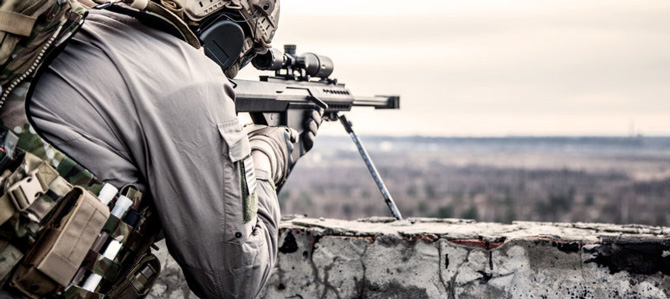
The actual emotional effects of war on soldiers can be distressing and it seems so unfair to the family and friends of veterans that after all they’ve been through, they continue to suffer. PTSD and shell shock are essentially manifestations of the brain’s attempts to cope with trauma and failing to do so adequately. With PTSD in soldiers, the sufferer will often recall and re-experience the specific trauma of war, perhaps when they dream, or even when they think or close their eyes. Hallucinations are not uncommon either, with soldiers feeling as if they are back in the traumatic war environment during sleep, when drunk or on drugs and even during normal wakefulness. They will also react strongly to anything that reminds them of the trauma and begin to avoid anything they associate with it. This often means a distinct reluctance to mix socially, due to loud noises that remind them of bombings, or crowds of people reminiscent of trenches.
It’s no surprise, once you understand the distress that soldiers experience during war, that they find it hard to be the same, emotionally, ever again. Some may say that their inability to form close bonds with loved ones is due to the experience of near death and the fear that they will leave someone behind. The emotional effects of war on soldiers very often hinders their future achievements too as they find it impossible to imagine or plan. Veterans of war who experience PTSD without adequate counseling and care often do not marry or have children, perhaps because they have experienced near death and have severe difficulty letting go of the idea that they may die any day.
War can be and has been proven to be a deeply scarring experience for many soldiers. Of course, nothing can prepare them for warfare, seeing close friends die and narrowly escape death themselves. Some veterans of past wars have recovered from their traumatic experience with the right care, but what we need to ask ourselves is how we can protect them from mental trauma before they are even sent to fight, as opposed to treating their symptoms once the deep psychological damage has already been done.
Thank you, it really opened my mind.
Hi I am a 16 year old boy that wants to study psychology. Do you have any tips for me? Please mail me. I think the mind is the most beautiful thing in the body and I really learned a lot from your article. Thank you!
We're no strangers to love
You know the rules and so do I
A full commitment's what I'm thinking of
You wouldn't get this from any other guy
I just wanna tell you how I'm feeling
Gotta make you understand
Never gonna give you up
Never gonna let you down
Never gonna run around and desert you
Never gonna make you cry
Never gonna say goodbye
Never gonna tell a lie and hurt you
Definitely the soldiers who have returned from warfare could suffer from psychological problems and many common people can't really understand how seriously could their psychological suffering be.
We in our day to day lives aren't able to tolerate small insignificant incidents, which we feel hurt us deeply, how can not the brave sacrificing soldiers not be affected. Therefore, proper adequate counseling from trained counselors is a must for them. And we all should be proud of them n try empathizing with their situations.
The article was very informative and interesting!
This was a very inspirational article, great f****** job bud.
Very well written. Helped me with my notes for a debate in a few days.
Excellent article…
I was wondering if I could use this for an English paper as an academic source, but I don't know the date in order to cite this correctly, can anyone help me?
Impressive
This kind of helped me but I was looking for reasons men should not go to war.
I think that was helpful for me, thank you.
Nice stuff!!!!
"Born just to die, that's the human curse".
Awesome article pal. Just went through it in my Advanced English class, I am going to use this for evidence. Well done, keep up the awesome work.
How can I know when this was published? I can't find it anywhere.
This is only half right. And by reading this I can most certainly tell he has not seen a day of combat. I have on the other hand. War does tear a man apart when you are no longer in a war setting. I deal with it ever day of my life. However I found something that let me sleep more than 2-3 hrs a night and calmed me down somewhat and that cause is now my wife. Before her I'm luck to say I slept. Though it is not a cure it's a start in the right direction.
This article is to be taken seriously.
I am a 17 year old who loves to use his hand to build stuff and shoot things, my plan since I was little has been to join the military. Now that I am going to enlist and will be leaving for boot camp and then deployed where ever they need me my mom wanted me to look at the effects of war. I am going into the NAVY in the Construction Battalion also known as the Seabees.
We Build, We Fight. This was a very informational article.
Great
Was a very good article!
I used this website to write a paper for my America at War class in school and it really helped with all of the stuff that I was going over. Thank you very much and thank you to all who is serving or who has!
Nice
Good post.